For over seven years, Corinda State High School Cafe has been well-loved by their students and staff members.
With a warm atmosphere, the café welcomes students and staff from a school community of over 2,200, while providing a real-world training environment for students pursuing hospitality.
A different offer from the tuckshop
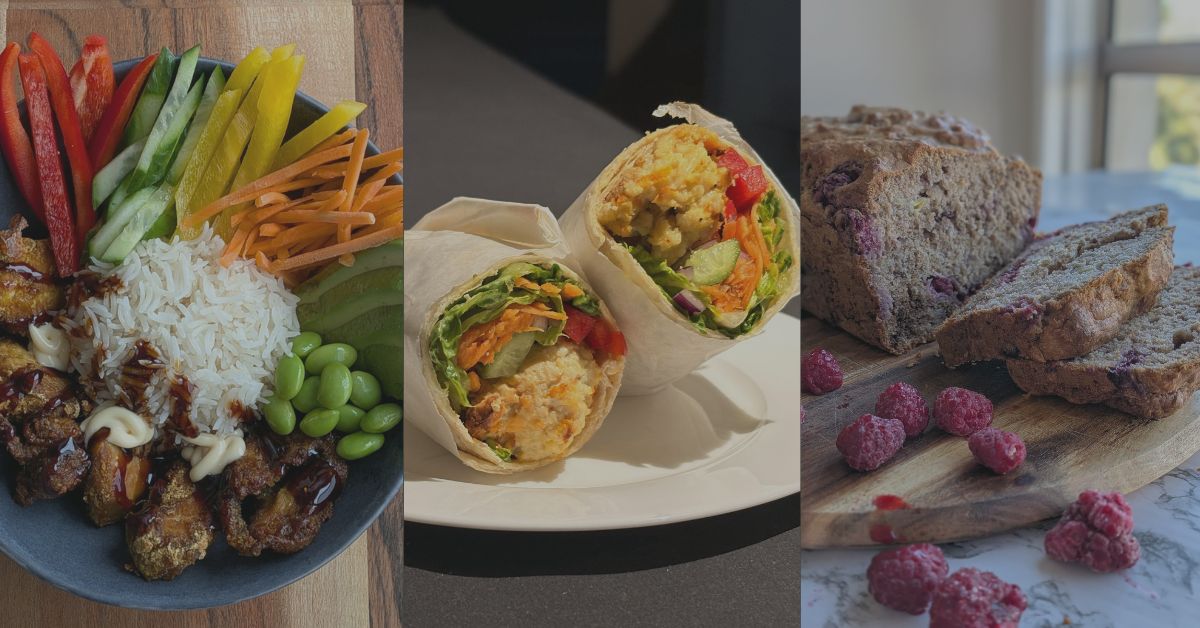
Corinda’s café offers a distinct and curated café menu. Rather than having the same menu as the canteen, the café offers exclusive items, such as coffee, smoothies and other café favourites.
Behind the scenes, the café and canteen work in unison. Items such as toasties, paninis, and baked goods are made in the canteen kitchen and transferred to the café as needed. This ensures that items hold stronger profit margins than bought-in commercial options, making the service practical while also financially worthwhile.
Each term they switch up the menu, mirroring seasonal changes while simultaneously maintaining customer interest. Whether it be a new panini flavour or seasonal smoothie, offering variety encourages repeat visitors.
The team at Corinda have found that keeping the menu different from the canteen, rotating flavours and offering specials is the best way to attract customers and keep them coming back.
A space where people stay
The café’s most important point of difference is the environment it creates. Unlike the tuckshop’s grab-and-go approach, the cafe is a place where people stick around — and that makes a difference to sales.
The café is open from 7:00 am to 1:30 pm. Staff are welcome to access the café at any time during these hours, however, students are only served at break times.
Surrounding the café window are comfortable seating options that are well-ventilated with good natural light.
The space is used by teachers as an informal meeting space before and after school, and Corinda has found that both senior and international students are frequent visitors.
The café proves to be more than a food service but a part of the school community.

Key factors contributing to success
The continued growth of Cordina’s café reflects several strategic decisions that has fuelled its success.
Distinct menu – The difference in menu helps drive traffic to the café without drawing customers away from the tuckshop.
Seating availability — Providing comfortable seating encourages customers to stay longer, increasing the likelihood of additional food purchases and supporting higher sales.
Consistency in quality – Both staff and students return when the venue provides a reliable service with each visit.
Thoughtful special design and layout – The team advise that people movement (such as how customers queue, how staff navigate the kitchen, and entry and exit points) directly impacts service speed and the variety of food that can be prepared. Think about how this will work before deciding on café design.
Efficient rostering – during class time and early mornings, two employees run the café. When crowds pick up at lunch, student hospitality volunteers assist. This ensures efficient service during peak periods while allowing students to complete their hands-on hospitality hours within school times.

A word of advice from the team behind the café
The team at Corinda are strong advocates for the school café model.
They strongly recommend investing in quality coffee from the beginning. This is essential as it sets the standard for the whole service and builds rapport with customers. Hiring an employee who knows how to make quality coffee alongside investing in a reliable machine is essential. Additionally, choosing a reputable coffee supplier who may be able to supply equipment, training and ongoing support can take pressure off the team.
Seeking out sponsorships and local business partnerships is equally valuable. A local coffee supplier or company may be open to providing sponsored products, training and maintenance services. Not only is this a good way to involve the community but it can reduce startup costs.
Finally, the Corinda team emphasise the importance of space and design. A well designed, inviting space sets the café up for success before the service even begins. A layout that considers the flow of customers, the seating arrangements and the way staff can efficiently work within the kitchen is very important. Nailing this from the start is far easier than trying to reconfigure an established service later.